News Website (iasianews.net) I Asia News

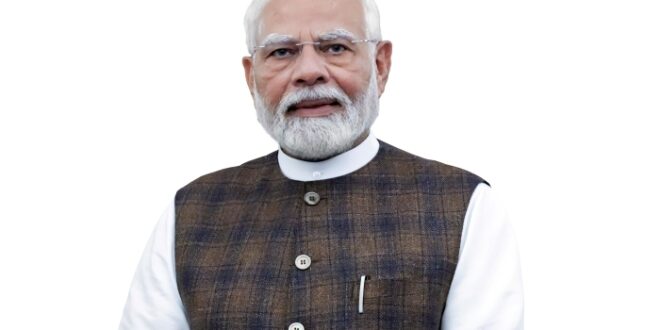
PM Narendra Modi Becomes India’s Longest-Serving Elected Prime Minister: A Historic Political Milestone
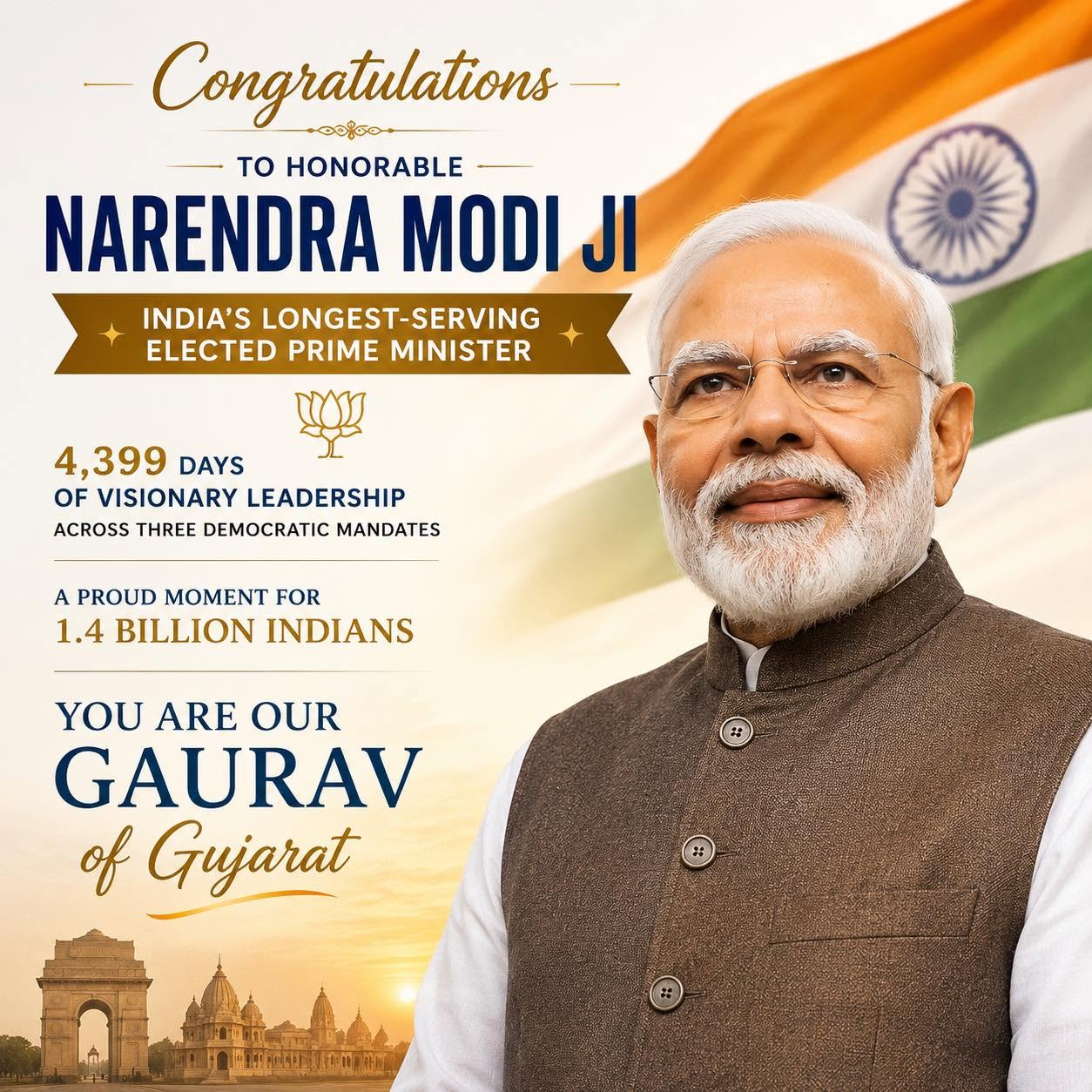
Prime Minister Narendra Modi has achieved a historic milestone in Indian democracy by becoming the country’s longest-serving continuously elected Prime Minister. On June 10, 2026, Modi surpassed the record previously held by India’s first Prime Minister, Jawaharlal Nehru, completing 4,399 consecutive days in office since first assuming the post on May 26, 2014. This landmark achievement reflects not only his political longevity but also the sustained electoral support he has received across three consecutive Lok Sabha elections.
As the first Prime Minister born after India’s Independence and the longest-serving non-Congress Prime Minister in the nation’s history, Narendra Modi has led India through a period of significant economic, technological, infrastructural, and diplomatic transformation. His leadership has reshaped political discourse and governance, making him one of the most influential leaders in contemporary India.
A Journey of Electoral Success
Narendra Modi’s rise from Chief Minister of Gujarat to Prime Minister of India is one of the most remarkable political journeys in modern Indian history. Under his leadership, the Bharatiya Janata Party (BJP) secured decisive victories in the 2014, 2019, and 2024 general elections, enabling him to lead three consecutive governments at the Centre. His ability to maintain public support over more than a decade has set a new benchmark in India’s democratic system.
Major Achievements of the Modi Government
1. Infrastructure Revolution
One of the defining features of the Modi era has been the unprecedented focus on infrastructure development. India has witnessed rapid expansion of highways, expressways, airports, railway modernization projects, metro networks, and digital infrastructure. Initiatives such as Bharatmala, Sagarmala, Dedicated Freight Corridors, and the modernization of railway stations have significantly improved connectivity across the country.
2. Digital Transformation
The government’s Digital India initiative has transformed service delivery and governance. Digital payments through UPI have revolutionized financial transactions, making India a global leader in real-time digital payments. The expansion of broadband connectivity and digital public infrastructure has improved access to banking, education, healthcare, and government services.
3. Financial Inclusion
Through schemes such as the Pradhan Mantri Jan Dhan Yojana, millions of previously unbanked citizens gained access to the formal financial system. Direct Benefit Transfer (DBT) mechanisms have enhanced transparency and reduced leakages in welfare distribution.
4. Welfare and Social Security
The Modi government has launched several welfare initiatives aimed at improving the quality of life for ordinary citizens. Programs such as PM Awas Yojana, Ayushman Bharat, Ujjwala Yojana, Jal Jeevan Mission, and Swachh Bharat Mission have focused on housing, healthcare, clean cooking fuel, drinking water, and sanitation.
5. Economic Reforms
The introduction of the Goods and Services Tax (GST), Insolvency and Bankruptcy Code (IBC), production-linked incentive schemes, and efforts to improve the ease of doing business have been key economic reforms during Modi’s tenure. The government has also emphasized manufacturing through the “Make in India” initiative and promoted emerging sectors such as semiconductors, renewable energy, and electronics manufacturing.
6. India’s Rising Global Profile
Under Modi’s leadership, India has significantly expanded its diplomatic influence. The country has strengthened strategic partnerships with major powers, increased engagement with the Global South, and enhanced its role in multilateral forums. India’s successful G20 Presidency and its growing voice in global affairs have reflected its increasing international stature. World leaders have frequently acknowledged Modi’s role in elevating India’s global presence.
7. National Security and Defence Modernization
The government has placed strong emphasis on national security, border infrastructure, defence modernization, and indigenous defence production. Efforts toward self-reliance in defence manufacturing have become a central pillar of India’s strategic policy.
8. Poverty Reduction and Inclusive Development
The government has consistently highlighted progress in poverty alleviation, access to healthcare, housing, electricity, sanitation, and digital connectivity. These initiatives have aimed to ensure that development reaches the most vulnerable sections of society.
A Defining Chapter in Indian Politics
Supporters view Narendra Modi’s tenure as a period of transformational governance characterized by decisive leadership, rapid infrastructure development, welfare expansion, and a stronger global position for India. Critics, meanwhile, have debated aspects of economic policy, institutional governance, and social issues. Nevertheless, there is broad agreement that his leadership has profoundly influenced the direction of Indian politics and governance.
As Narendra Modi becomes India’s longest-serving elected Prime Minister, the milestone marks an important chapter in the country’s democratic journey. Whether assessed through electoral success, policy initiatives, or political impact, his tenure has left a significant imprint on 21st-century India and will remain a subject of study and debate for years to come.